


Residential vs. Commercial Interior Design: What's the Difference?
While both residential and commercial interior design focus on creating beautiful spaces, each requires a unique approach.
Residential Interior Design
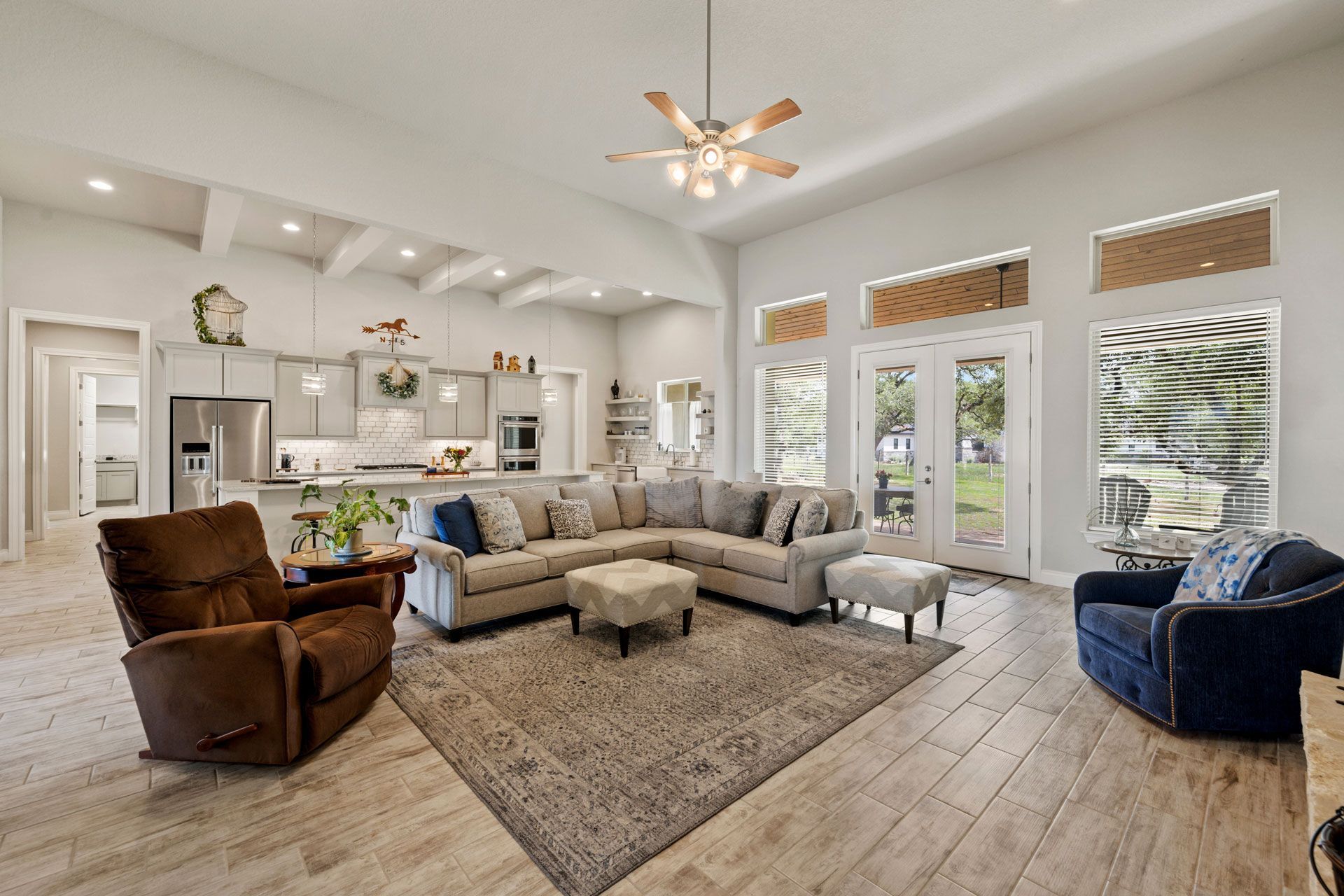
Residential projects prioritize comfort, lifestyle, and personal expression. Designers consider how families live, entertain, relax, and grow while selecting finishes, furniture, and layouts that suit everyday living.
Common residential projects include:
- Living rooms
- Kitchens
- Bathrooms
- Bedrooms
- Whole-home renovations
Commercial Interior Design
Commercial spaces must balance aesthetics with functionality, durability, and business objectives.
Examples include:
- Office spaces
- Retail stores
- Restaurants
- Medical offices
- Hospitality environments
Commercial interiors often require durable materials, efficient layouts, accessibility considerations, and designs that reinforce a company's brand identity.
Professional interior designers understand the unique requirements of both environments and create spaces that are both attractive and highly functional.